Greek Jersey: A Display Font for Sophisticated Web Design
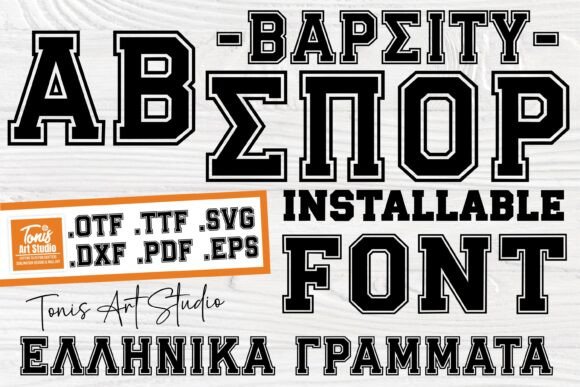
Greek Jersey is a distinctive display font that brings the timeless elegance of the Greek alphabet into modern digital design. Unlike generic typefaces, it offers a unique blend of tradition and versatility, making it ideal for web designers and digital creators looking to elevate visual storytelling. With its clean lines, balanced proportions, and cultural resonance, Greek Jersey works well in both minimalist and expressive layouts.
As a display font, Greek Jersey shines in high-impact areas such as hero headers, call-to-action buttons, and branding elements. Its design supports visual hierarchy by drawing attention without overwhelming the layout. The font’s open letterforms and moderate contrast ensure readability across different screen sizes, especially when used for short phrases or accent text in digital interfaces.
How Greek Jersey Enhances Web Usability
In web design, typography plays a critical role in guiding user attention and reinforcing brand tone. Greek Jersey contributes to this by offering a strong personality that aligns with creative, artisanal, or heritage-focused brands. When used in hero sections or landing page headers, it creates an immediate visual hook that supports conversion-focused layouts.
For UI designers, Greek Jersey works best as a headline font rather than body text. It pairs well with neutral sans serif fonts like Helvetica or Open Sans, allowing for a clean contrast between decorative headings and functional supporting copy. This approach maintains readability while adding visual interest to key interface elements like section titles, feature highlights, and promotional banners.
Practical Use Cases for Greek Jersey in Digital Projects
Greek Jersey is especially effective in creative portfolios, boutique e-commerce sites, and coaching platforms where brand personality is central. A designer might use it for a portfolio site’s logo and navigation, reinforcing a sense of craftsmanship. An online store selling handmade goods or Mediterranean-inspired products could apply Greek Jersey in product tags, shop banners, or packaging design assets.
For SaaS founders and digital course creators, Greek Jersey can be used in sales page headers, feature overviews, and branded content sections. It also works well in social media graphics and email headers where a touch of elegance is desired. When applied to buttons or image overlays, its clarity ensures legibility even at smaller sizes or on dark backgrounds.
Optimizing Readability and Visual Flow
When integrating Greek Jersey into responsive layouts, consider spacing and contrast. On mobile screens, avoid using it in long blocks of text. Instead, reserve it for short, impactful phrases and ensure sufficient line spacing when used in hero sections. For image overlays, test the font against different background opacities to maintain readability without sacrificing aesthetic appeal.
Dark mode and light mode variations should be tested carefully. Greek Jersey’s character shapes remain distinct in both environments, but designers should adjust font weight and background contrast to ensure legibility. In UI kits and design systems, include fallback styles for environments where webfont loading may be delayed.
Font Pairing Strategies for Web Design
Successful font pairing with Greek Jersey often involves balancing its decorative nature with simpler typefaces. Pairing it with a modern sans serif like Montserrat or Lato creates a clean, contemporary contrast suitable for tech startups or creative agencies. For editorial or blog-focused sites, combining Greek Jersey with a serif font like Merriweather adds a refined, content-driven aesthetic.
Designers should limit Greek Jersey to one or two key areas per layout to avoid visual clutter. Using it consistently across headers, logos, and branded assets helps maintain a cohesive digital identity. When used alongside a system font stack or Google Font, it enhances the site’s typographic rhythm without compromising performance.
Technical Considerations for Webfont Implementation
Before deploying Greek Jersey on live websites or client projects, verify the available file formats and weights. Most premium display fonts include multiple weights—light, regular, bold—which allow for nuanced styling in different UI contexts. Check for multilingual support if the website targets international audiences or includes Greek language content.
Ensure that the font license permits commercial use, especially for client websites, online stores, and digital templates. Many premium fonts offer webfont licenses that cover usage across domains and design assets. Always include fallback font stacks in CSS to maintain design integrity if the webfont fails to load.
Building a Cohesive Brand Identity with Greek Jersey
Greek Jersey supports a strong brand impression when used strategically across digital touchpoints. From logo design to landing page headers, it reinforces a brand’s visual language and cultural connection. For creative entrepreneurs and boutique brands, incorporating Greek Jersey into a digital brand kit ensures consistency across web, print, and social media assets.
When designing a brand system, define specific usage rules for Greek Jersey—such as preferred font sizes, color treatments, and spacing guidelines. This ensures that the font remains effective across different platforms and content types, from product packaging to mobile app interfaces. Used thoughtfully, Greek Jersey becomes a memorable part of the brand’s visual identity.